
Our Services
Web Applications
Software Design
Full Stack
Hosting
Email Marketing
CPC Marketing
Our services: What does it all mean?
Web Application: A web application is an online program that you interact with through a web browser, but it offers more functionality than a traditional website. While a traditional website mainly displays information using HTML, like an online brochure, a web application is designed for user interaction. You can fill out forms, manage accounts, send messages, or even shop—all in real-time.
One key difference is that traditional websites are static, meaning the content doesn't change based on user input. In contrast, web applications are dynamic and respond to what you do. For example, when you log in to a web application like Gmail, it customizes the experience based on your account.
Another advantage of web applications is flexibility. They can be accessed from any device with internet access and provide more complex functions, like processing data or performing transactions. Unlike traditional websites, web applications offer a seamless, interactive experience.
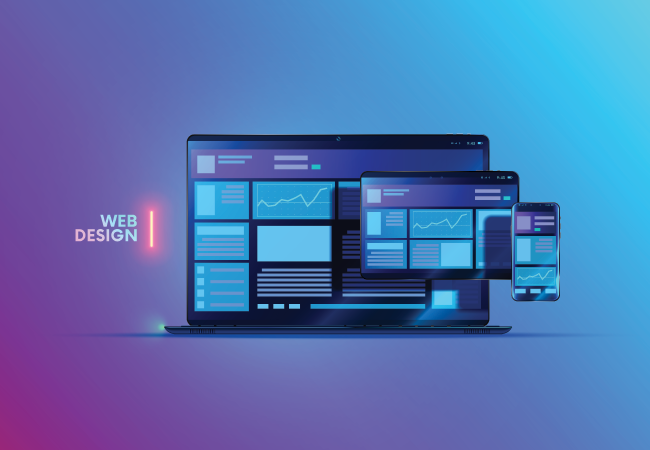

Software Development: Software development is the process of designing, creating, and maintaining programs or applications that allow computers or devices to perform specific tasks. It involves writing code to build everything from mobile apps to websites and even systems that run businesses or manage data. Developers start by understanding what the software needs to do, then they write and test code to make sure it works correctly. Software development can involve fixing bugs, adding new features, and ensuring the software runs smoothly. Ultimately, it's about creating tools that solve problems and make life or work more efficient.
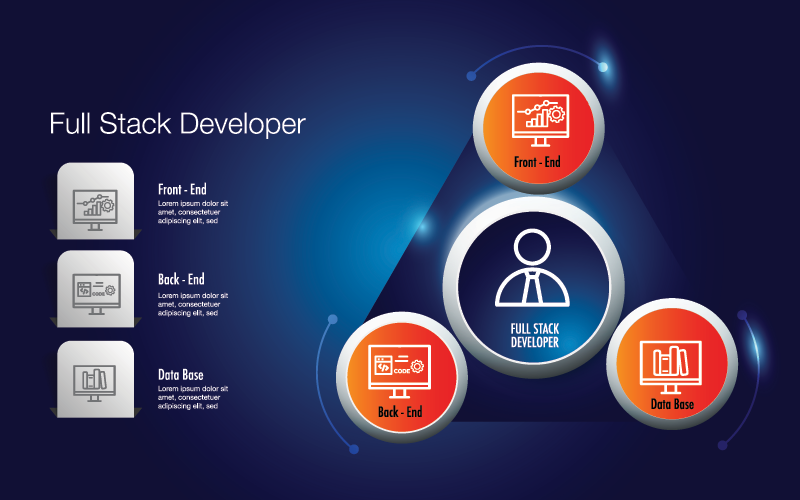
Full Stack Development: Full Stack Development refers to building both the front-end and back-end of a website or web application. The front-end is the part users see and interact with, like buttons, forms, and layouts, while the back-end manages the server, database, and how data flows.
A full stack developer works on both sides, ensuring that everything from the user interface to the data processing behind the scenes works together seamlessly. They handle the complete development process, from creating the design to writing code for servers, databases, and browsers, giving them a wide range of expertise to build fully functional applications.

Hosting: Hosting is the service that allows websites or web applications to be accessible on the internet. When you visit a website, all the files, images, and data that make up the site are stored on a server. Hosting providers rent out these servers and manage the infrastructure so your website can be accessed by users 24/7.
Hosting ensures your site stays online, handles traffic, and loads quickly for visitors. It also includes features like backups, security, and scalability to support growing websites. Without hosting, your website wouldn't have a place to live on the internet for users to visit.
Email Marketing: Email marketing is a strategy where businesses send promotional messages, newsletters, or updates to a list of subscribers via email. The goal is to engage with potential or existing customers, provide useful content, and promote products or services.
It's a cost-effective way to reach a targeted audience directly in their inbox. Email marketing allows businesses to build relationships, drive sales, and share news or special offers. Companies can personalize messages based on user behavior, making the emails more relevant and engaging. Overall, it's a powerful tool for businesses to stay connected with their audience and grow their brand.

CPC Marketing: CPC (Cost-Per-Click) marketing is a type of online advertising where businesses pay for each click their ad receives. It's commonly used in platforms like Google Ads or social media. When someone searches for something relevant to a business, an ad may appear, and if the user clicks on it, the business is charged a fee.
CPC marketing helps drive targeted traffic to a website or product by reaching people actively searching for related services. It's a cost-effective way to advertise because businesses only pay when someone clicks the ad, making it a measurable and controlled investment in online marketing.